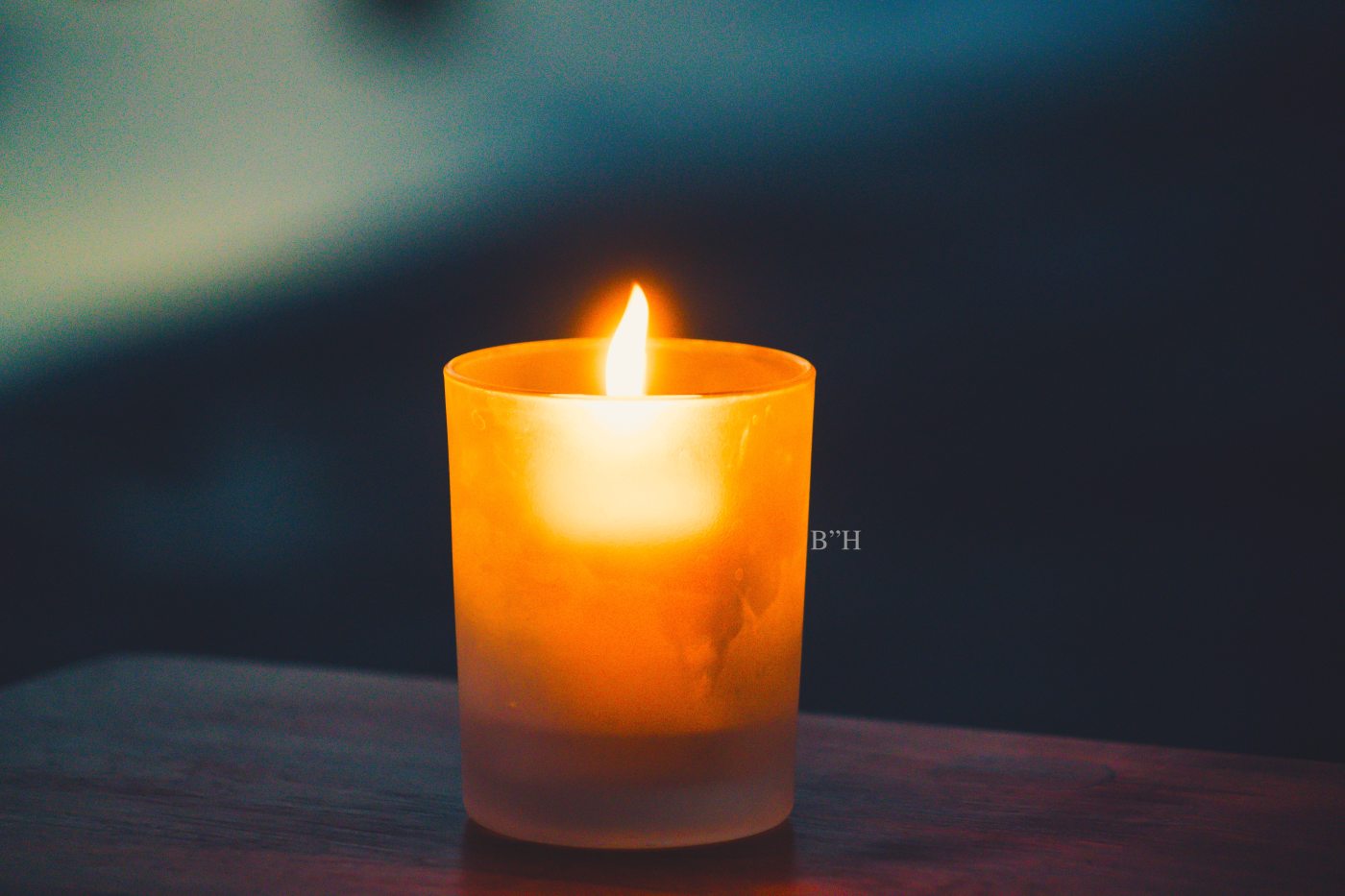
We recite yizkor in memory of loved ones who have passed on, serving as a powerful reminder of the enduring bond between the living and the deceased. Yizkor, a Hebrew word meaning ‘remember’, is a poignant prayer and usually evokes feelings of sadness because our loved ones are no longer with us.

We say yizkor on Yom Kippur, Shemini Atzeret, Passover, and Shavuot. It’s easily understood why we recite yizkor on the solemn day of Yom Kippur, but why on the other holidays? After all, the Jewish holidays are happy times and public mourning is prohibited. Reciting yizkor seems out of place. So, why do we say yizkor on the Jewish holidays? Perhaps it’s tapping into joy amidst sorrow.
The Origin of Yizkor
The origins of Yizkor can be traced back to the time of the Crusades and medieval Jewish communities in Europe. Initially, the prayer was a private recitation, but over time it evolved into a communal observance. The practice gained prominence in the 16th century, particularly in Ashkenazi communities. Today, Yizkor has become an integral part of the Jewish liturgy, emphasizing the importance of remembrance in Jewish life.
Historical Mention of Yizkor on Passover, Shavuot and Shemini Atzeret
Rabbi Yehuda Shurpin, in his post Why Do We Say Yizkor When We Do?, says that the Maharil (Rabbi Yaakov ben Moshe Moelin, 1365 –1427) mentions reciting yizkor on Passover, Shavuot and Shemini Atzeret. Rabbi Shurpin claims the writings of the Maharil are the earliest known source of yizkor on the Jewish holidays.
Why Do We Say Yizkor on the Jewish Holidays?
Connecting Yizkor to the Torah Portion
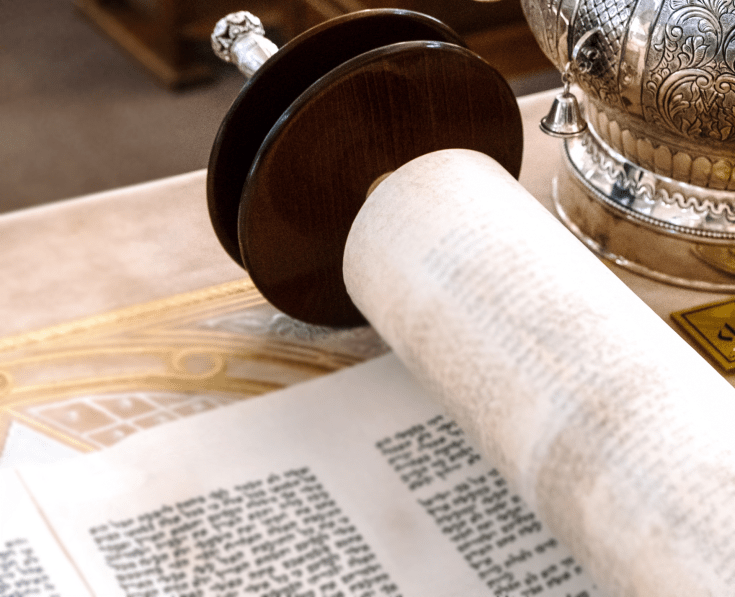
On each holiday we read the Torah potion associated with the particular holiday. These holiday readings mention the pilgrimage to the Holy Temple in Jerusalem where ‘we are not to appear before G‑d empty-handed’. In other words, we come to G-d with a donation in our hands. The yizkor prayer also mentions tzedakah in that we pledge charity in memory of our loved one.
However, there must be more going on here than just connecting the yizkor prayer to a brief allusion to charity in the Torah portion.
Celebrating Memory Amidst Sorrow

I feel that our approach to the yizkor prayer is what connects yizkor to the festivals. Despite the sadness that we feel over our loss, finding joy amidst sorrow adds another dimension of happiness to the holidays. When we view yizkor as a time to elevate and remember the souls of our loved ones, yizkor takes on a new and positive meaning.
Elevating the Soul
When I say yizkor for my son, am I sad? Yes. Do I wish my son was here to spend yom tov with me. Yes. He’s gone and I can’t change that. But I also know that when I recite yizkor, and the tzedakah I pledge in his memory, I raise his pure soul higher and higher in Heaven. This makes him very happy. and I find comfort in that.
Remembering the Person
Yizkor means to remember. Remembering my son, not how he died but how he lived, gives me satisfaction on the holiday. He was a wonderful son, brother, uncle, friend, person. He was a wonderful everything. All the positive things he did during his short stay in this world are his spiritual clothes in Heaven. He’s dressed beautifully. Now it’s my task to continue his legacy of goodness.
Saying yizkor is tough, especially when we say it for a child. It’s ok to be sad. It’s ok to cry. But when we tap into the positive side of yizkor, we tap into the joy our child feels in Heaven.
Conclusion
An article by Rabbi Jonathan Muskat entitled Why Do We Recite Yizkor on Yom Tov? sums up everything with the following blessing, and it’s my blessing to you as well:
‘My blessing to all of us who are reciting Yizkor this holiday is to utilize our feelings of loss, of sadness, to hopefully respond in a way that will ultimately bring more happiness to all of our lives.’

More on what our loved ones do in Heaven: Life in the Afterlife
This post written in loving memory of Jacob Roth (Yaakov Ephraim ben Tuvia Henoch)


Leave a Reply