For the first few years after my son Jacob passed away, it was difficult for me to look at his picture or touch the few things he left behind. The wallet, the souvenirs from school trips, school yearbooks, the knick-knacks from his vacations, the Mother’s Day and birthday gifts he gave me. All this was painful to look at.
Time passed. Now I can look at, and touch his possessions without being flooded with tears. I want to keep his memory alive. Keeping a child’s memory alive means turning memories into something real and ongoing—a way to feel his presence every day.
Here are some ideas that work for me.
Keeping a Child’s Memory Alive
Creating Special Spaces
One thing I’ve found helpful is creating special spaces dedicated to my child.

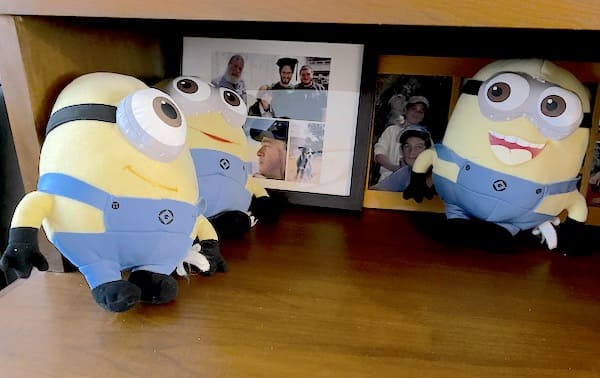
In the kitchen, I have a spot for the cute M&M and Despicable Me minions mugs he gave me. On a shelf in the living room, I placed some of his pictures near the plush Despicable Me minions (also a gift. He knew I loved minions).
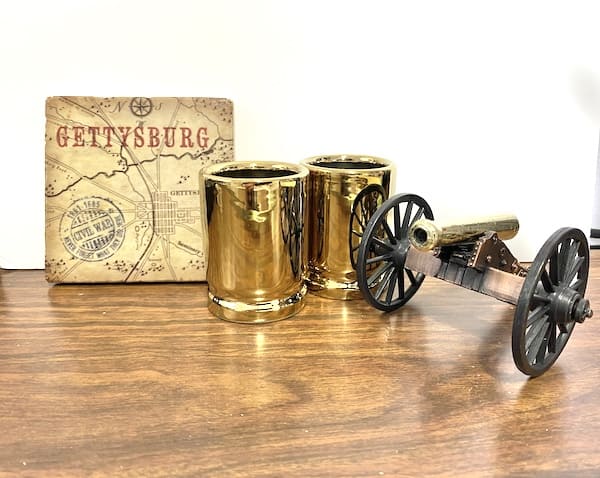
In my art studio, I have an area in memory of his cross-country road trip taken a few months before his passing. One of the places he stopped at was Gettysburg National Military Park. He was particularly moved by his visit there. In the souvenir shop, he purchased a small model cannon, two shot glasses shaped like ammo shells, and a coaster showing a map of the battle of Gettysburg.
Talking With My Child
Every now and then, I talk to my child, keeping him alive in my thoughts and speech. It’s very cathartic for me. I try not to cry, but inevitably, the tears roll out. The frustrating part is that I know my son hears me, but I can’t hear him.
Keeping a Child’s Memory Alive with Family
Sharing Pictures with the Grandchildren
I particularly enjoy sharing pictures of Jacob with his small nieces and nephews. ‘See, this is Uncle Jacob.’ Tears welled up in my nine year old granddaughter’s eyes as we spoke about him. Although she doesn’t remember Jacob playing with her when she was a toddler, nevertheless, she wishes he were here. Our discussion saddened her a little, but it was good for the both of us.
She won’t forget her Uncle Jacob.
Telling Stories and Anecdotes With the Siblings
Every now and then, I share stories and anecdotes about Jacob with his siblings. Surprisingly, they relate stories to me that I don’t remember. It’s all about keeping him alive in our thoughts.
Making and Sharing a Scrapbook
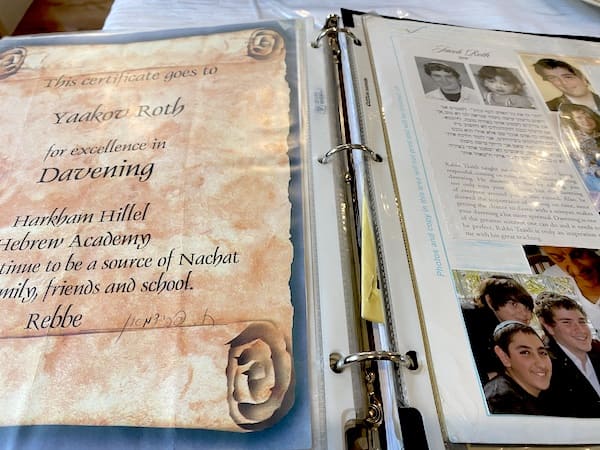
I have a scrapbook of my child’s photos and accomplishments from infancy through high school: Certificates of Achievement, class photos, playbills from his years in the high school drama club. Yes, looking at these pages knowing his life was cut short is sad, but I feel it’s so important to maintain that connection with him. I enjoy sharing these pages with family and close friends.
Keeping Him With Us on the Holidays
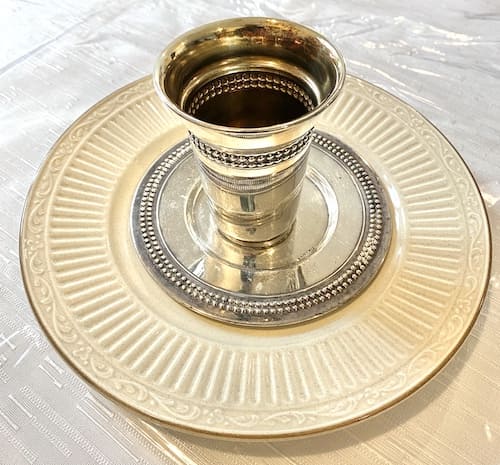
On Shabbat and the Jewish holidays, we leave a place at the table where we place Jacob’s kiddush cup. We reminisce about having him with us on the holidays, and now, I truly believe he’s with us at these special times.
Keeping a Child’s Memory Alive Through Education
Establishing a Fund or Scholarship in a Child’s Memory
My husband and I established a scholarship fund for Jacob’s school so needy children can receive a Jewish education. We’ve received beautiful thank you letters from parents who received financial help from these funds, .
The Talmud relates: Reish Lakish said: anyone who teaches Torah to the son of another, the verse ascribes him as though he formed him. (Sanhedrin 99b) In other words, it’s as if he was his father.
The children who benefit from Jacob’s scholarship fund are Jacob’s children too.
Keeping a Child’s Memory Alive on Birthdays and Yahrzeits
Don’t hide from birthdays and yahrzeits. It’s important to develop meaningful rituals for these special times.

For Jacob’s birthday, I send balloons and treats to his siblings and their children. It’s a profound reminder saying, ‘Hey, it’s your brother’s birthday!’
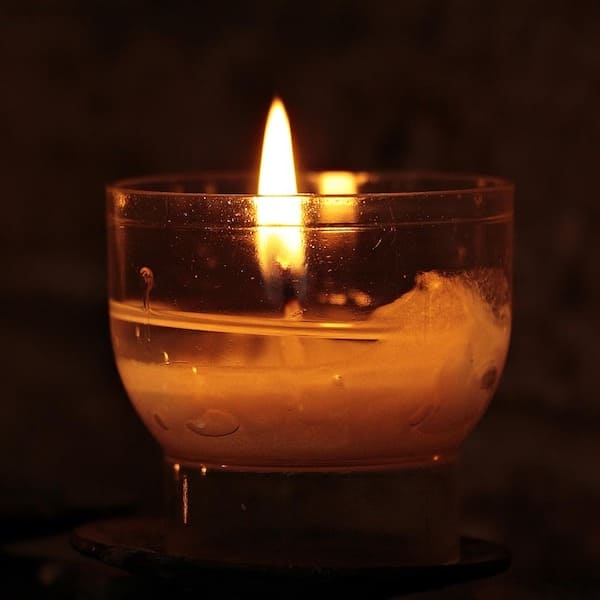
Yahrzeits are painful, but it’s so important to remember a Jacob on that day with the Kaddish prayer and a trip to the cemetery. These actions tell Jacob we haven’t forgotten about him.
I know he hasn’t forgotten about us.
Other Ways to Keep a Child’s Memory Alive
Here are some other ways to keep a child’s memory alive. I’ve not yet tried these strategies, but parents say it helps navigate the grief journey.
Memorial Gardens

Keeping something alive and growing is a gentle reminder of what we’ve had. Some parents take comfort in planting a garden where they care for, and nourish, flowers and greenery.
Keeping a Journal

Keeping a journal is another way to keep a child’s memory alive by writing down thoughts and feelings. It’s like talking to a child, but putting the words on paper.
Art Therapy for Grief

Art therapy is a great way to describe painful and complicated emotions. Drawing what we feel releases tension and anxiety. It’s also a method to remember happier times. Making pictures or rough sketches of pleasant moments spent with a child aids the emotional healing process.
You don’t have to be an artist to benefit from art therapy. Just a willingness to try something new. After all, your artwork is for you, no one else.
Conclusion
Losing a child is an unimaginable experience. Keeping a child’s memory alive provides comfort and healing. It helps parents and families cherish the moments shared. I encourage you to try the ideas we discussed in this post. I know it helps me.


Leave a Reply