
Most resources dealing with child loss focus on the first 12 to 24 months. Well, I’m now at year six. I want to talk about what life looks like for me at this point – struggling with silence, grief and aging, and coping.
The Silence of the Later Years
For grieving parents, community support wanes over time. In my post, 4 Feelings and Thoughts About Child Loss that Afflict Bereaved Parents, I lament that not only are family and friends hesitant to talk about my loss, I am too.
Now, beyond year six, I’m even more reluctant to talk about Jacob. Why?
Perhaps because I think no one is interested. Or maybe, I have a nagging gut feeling that people won’t know how to react, and I don’t want to make anyone feel uncomfortable.
I Need to Talk About My Child More!
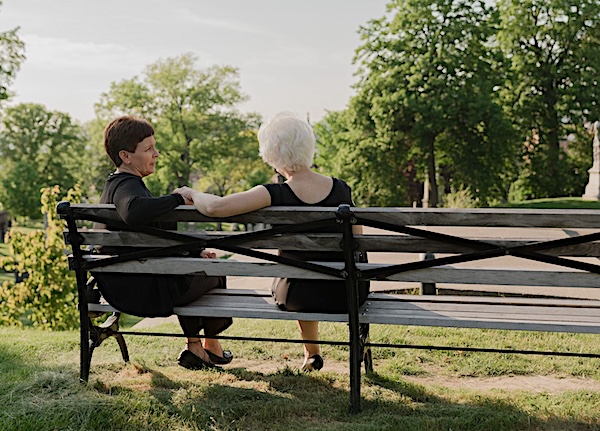
It’s important that I talk about my child to honor his memory and for my emotional wellbeing. For Jacob to be a part of my life, I have to make it real. Reminiscing about the good times, even the not so good times, and recollecting funny anecdotes make him a continual part of my life.
Remember when? What would Jacob do in this situation? If he were here, what would he say?
For me, this is the most important task.
Is the Grief of Child Loss More or Less Intense As We Age?
Being With Family Takes the Edge Off Grief
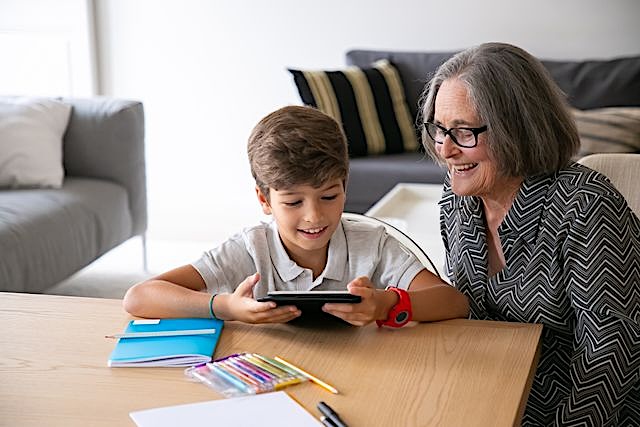
One the saddest parts of losing my child is that Jacob didn’t live long enough to get married and have children. He would have made a wonderful husband and father.
I have grandchildren from my other children, and they’re wonderful. Even so, I still wonder who Jacob would have married, how many children, boys, girls, both? The questions still linger. Fortunately, Jacob’s brothers, their wives and children are a comfort for me. I’m not alone, and that takes the edge off my saddest thoughts.
Being Alone Worsens Grief For Older Parents

I want to address the following situations because some people do not have grandchildren, or the family dynamics are not what they should be.
For those parents who lost an only child – my heart goes out to them. What do I say to someone in that situation? There are no words.
Or consider the following scenario – a parent has two children, one dies, and the other is estranged from the parent. A divorced person in my grief support group struggles with this every day.
Aging makes these situations worse because older parents are beyond childbearing age. Not that another child replaces the one they lost. But its having that sense of finality that hurts so much. Most older parents are retired and at home. It’s the time of life where we need family and friends the most.
Dealing With Aging and Grief

Bereaved parents tend to push away therapy as the years go on. I think this is a mistake. No matter how many years have passed, we sometimes need the lifeline of a professional, or others in a group setting sharing similar experiences. As we age, new situations call for new ways to deal with child loss.
But aging still takes its toll in my thoughts.
I hope my husband and I remain healthy, physically and mentally, interacting with our grandchildren as they grow. But I guess there’s no point in worrying. I’ll eat healthy, exercise, get out more, and do things that I enjoy doing, like drawing and painting. What will be will be. It’s all in G-d’s hands.
The Concept of ‘Moving With’, Not ‘Moving On’
After six years from my child’s passing, I’m not calm, but calmer. I have anxiety, but I’m less anxious.
Jacob passed away suddenly at age 24. Ever since, I have thoughts in the back of my mind about other loved ones passing away unexpectedly. This is normal too. It’s all part of the baggage of grief and loss. I can’t ‘move on’ from it, I have to learn to ‘move with’ it.
Moving With Loss and Grief

So how do I ‘move with’ loss and grief? Time helps. But the things that work for me best are – being with family, creating art, socializing (I’m not good at this, but I’m trying to get better), and getting out more. And of course, talking about my child.
I invite you to think about the things you enjoy doing, places you like seeing, and people you appreciate being around. And consider therapy as well.
The Lubavitcher Rebbe emphasized that spiritually, one is never stagnant. Either we’re going up or down, but we never stay at the same level. Moving with loss and grief is like that too. May we grow from the journey, and hope that it takes us to better places.


Leave a Reply