
Child loss is an unimaginable pain. Whether it’s the heart wrenching experience of miscarriage, losing an infant, a small child, an adolescent, or an adult child, these types of losses evoke profound parental grief. However, parents react differently to different types of loss because each grief journey has its unique challenges. Also, society treats these losses very differently. In this blog post, we look at child loss at any age, how parents handle grief, and the statistics of grief.
Child Loss at Any Age Sometimes Starts Before Birth: Miscarriage

Sometimes, child loss starts before birth. Miscarriage affects parents quietly. It’s more common than most people think. Often, the pain and sadness that follow remains hidden.
Many parents refuse to talk about this kind of loss, feeling it’s too personal an issue to air publically. Some cultures have a custom not to mention a pregnancy at all until the last trimester, when it’s pretty obvious a woman is expecting.
After a miscarriage, there’s also the guilt that parents face, in that maybe they could have done something better during pregnancy. They also fear accusations from relatives, friends, and society, well-meaning people, who give unsolicited advice on how to prevent another miscarriage. Above all, the bereaved mother feels like a failure.
According to the Center for Disease Control and Prevention (CDC), 1 in 175 births result in miscarriage. In my opinion, that’s a lot of lost babies.
There’s always the questions grieving parents keep asking themselves: Why me? What have I done to deserve this? What would have this child been like? What could I have done better?
Hesitant to talk about their loss, parents grieving from a miscarriage mostly grieve alone.
Child Loss Soon After Birth: Infant Loss

Similar to a loss from miscarriage, losing an infant occurs more than many realize. Common causes of infant loss include birth defects, preterm birth, unintentional injuries, or sudden infant death syndrome. In addition to coping with the death of a child, these grieving parents also cope with guilt: either the guilt they place upon themselves, guilt that society thrusts upon them, or both.
According to the CDC, infant mortality is defined as losing a child before the first birthday. ‘In 2022, the infant mortality rate in the United States was 5.6 deaths per 1,000 live births.’
Painful questions plague the grieving parent: Why? Why didn’t this child have a future? Again, parents suffer in silence. Many times, their grief is misunderstood or ignored.
Losing a Small Child or Adolescent
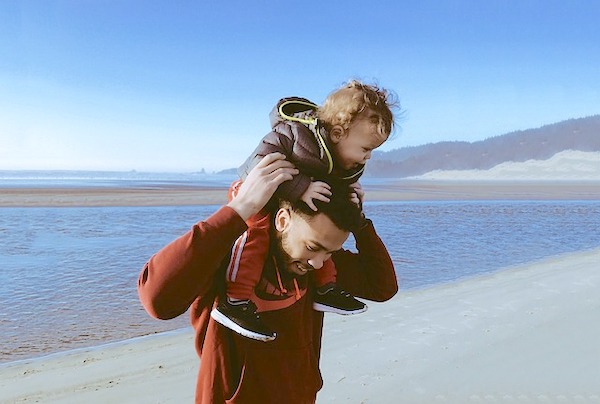
By this time, everything seems to be going well. The child develops a personality and interacts with family. There are memories created and stored away by loving parents. Then the unthinkable happens: it suddenly ends.
When a young life ends too soon, it’s like losing a part of the future that was yet to come. Like planting a small tree, then seeing it cut down, parents feel cheated in that they aren’t given the chance to see the fruits of their labor. And the same questions come up over and over: Why? Why was there no future for this child?

The CDC breaks the mortality statistics into two groups. Between the ages of one and four, 28 children per 100,000 pass away. From five to fourteen years, around 15 children per 100,000 die. Although 28 and 15 don’t seem like large numbers, we’re actually talking about thousands of children.
Common causes of death among small children or adolescents are accidents, birth defects, cancer, and even homicide. In addition, suicide is yet another cause affecting adolescents.
Child Loss at Any Age: Losing an Adult Child

Child loss at any age is a reality. While most people think of grieving for an adult as something that happens after losing a parent, grief for an adult child is different. After all, at the end of my life, my child is the one who buries me right? It’s not supposed to be the other way around. With losing an adult child, there’s the inexplicable feeling that everything is backwards and nothing makes sense.
Adding to the grief is that losing an adult child is a permanent loss, especially for older parents. In other words, a parent can’t replace that child by having another. Make no mistake, every child is irreplaceable. But for older parents, losing an adult child creates a deeper sense of loss. Grief intensifies when the child who died was an only child.
Grief & Bereavement Key Facts, from Evermore.org sites the percentage of parents who lost a child based on the age of the parent:
‘By age 60, nine percent of Americans have experienced the death of a child. By 70, 15 percent of American parents have lost a child. By age 80, 18 percent of American parents have experienced the death of a child.’
The article also cited that most older bereaved parents develop new physical and mental health issues resulting from the loss. Depression and anxiety is also common.
The article Young Adults Are Dying Earlier Than Expected, by Boston University School of Public Health, points out a dramatic increase in deaths among young adults between 25 and 44 from 2011 to the present. Substance abuse tops the list of causes for this trend. Other causes mentioned are violence, heart disease, diabetes, and car accidents.
Where Do We Go From Here?

Child loss at any age isn’t as uncommon as society would have you think. The statistics speak differently. The reason that we don’t hear much about child loss is that people are afraid, or unwilling, to talk about it.
I currently attend a grief support group for those who lost an adult child. It’s helped me a lot. I highly recommend bereaved parents find a support group suited to their particular needs. Whether online or in-person, it helps guide one along grief’s journey.
Conclusion
Parent may suffer child loss at any age, leaving emotional scars that never heal. Understanding the psychological effects and cold facts through statistics helps grieving parents understand what we’re up against. No matter what our grief journey looks like, we parents are not alone and we needn’t grieve alone.


Leave a Reply