
Sometimes I find myself speaking to another parent who recently experienced the loss of a child. I lost my child five years ago, but how do I comfort someone whose loss is very fresh? What do I say to another grieving parent?
Different Emotional Dynamics of Child Loss
First, let’s look at the different emotional dynamics of child loss going on for the two of us.
I lost my child awhile ago. Since then, I’ve passed many milestones in the journey of grief. I’m part of a grief support group and speak to therapists. Although my child’s death still affects me deeply, I’m in a different emotional place now than I was then.
As for my new companion in child loss, the pain is exceedingly fresh. Feelings of anger, confusion, and loneliness dominates this person’s life. He or she is in shock, can’t think straight, and doesn’t know where to turn for comfort and help.
What Do I Say to Another Grieving Parent? Do’s and Dont’s
#1. I Don’t Talk About My Own Loss

As soon as I hear that this person lost a child, I immediately identify with the experience. My first instinct is to respond by talking about my own loss. Perhaps I’m thinking ‘misery loves company’ and I’m showing this person we’re in the same boat, etc.
But that’s not what the other grieving parent needs to hear. Although at one time I was where this parent is now, my role is focusing on that person, their needs and challenges. I have to remember it’s not about me. So when first meeting a newly bereaved parent, I don’t talk about my own loss.
If the person asks me about my child, of course I’ll respond. But I won’t get carried away by my own loss. I’ll try to direct the conversation back to their child.
#2. I Do Ask About Their Child
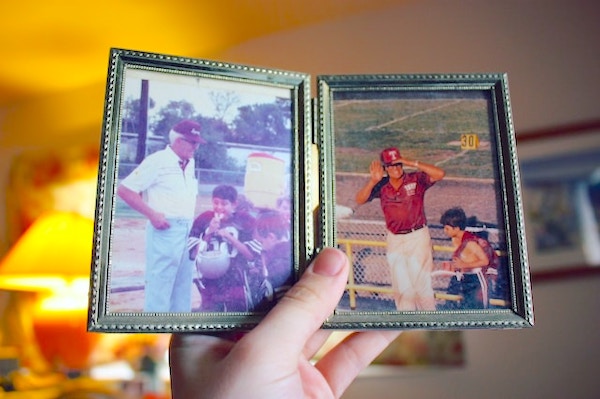
The parent-child relationship becomes even stronger after the child passes away. Parents are grateful when they have an opportunity to talk about their child. Here are some suggestions to stimulate the conversation:
- Tell me about your child.
- What was he or she like?
- What was your child’s favorite toy or book?
- Who was his/her favorite person?
- What games were favorites?
#3. I Don’t Ask How the Child Died

It’s only natural wondering how the other child died, but I have to stifle my curiosity. Talking about how a child died is the last thing a newly bereaved parent wants to do. In fact, it’s not even on the list of things this person wants to discuss. It’s just too painful.
I need to stifle that curiosity and talk about something else. So I won’t ask how their child died. When they’re ready, they’ll tell me.
#4. I Do Mention Sources of Comfort and Support

I’ll certainly mention sources of comfort and support for grieving parents. I’m an advocate of grief support groups. The group I participate in continues helping me navigate the way through the experience of child loss. I would definitely suggest a support group for any grieving parent.
I would also suggest finding a therapist specializing in child loss. In addition to a group setting, talking one-on-one is very helpful.
#5. I Do Provide Details of Comfort and Support Resources

It’s not enough to say ‘You should find a support group.’ Most likely, any mention of helpful resources will soon be forgotten. The grieving parent is swimming in a sea of emotions, barely staying afloat.
I’ll write things down on a piece of paper, send a text message or record a voicemail: the name of the resource agency or person, where they’re located, phone number and email.
The parent might not be ready to pursue child loss resources right away. However, when they’re ready, they have something to look back on as a reminder.
#6. Sometimes, I Don’t Say Anything

A newly grieving parent may not want to talk, or doesn’t know how to talk about their loss. They’re just not ready. But holding a hand or giving a hug says volumes.
#7. I Do Follow Up

If the other parent is comfortable giving me their phone number, I take it and offer mine as well. After a few weeks, I call or text asking how they’re doing, if they’d like to go out for coffee, or just want to talk. Did they find a support group yet? How about joining mine?
The person may be very appreciative when I reach out. On the other hand, they may not yet be comfortable in a social situation, so I just leave them be. I’ll wait a few more weeks and try again.
Conclusion: What Do I Say to Another Grieving Parent?
Sometimes nothing. I’ll let the person talk and be a good listener. I’ll let them know that I’m focusing on them. I’m here to provide comfort and support when they’re ready.
Knowing what to do shouldn’t be too hard for me. After all, I was once newly bereaved too.
Further reading: What To Say, (and What Not To Say), To Someone Who Has Lost a Child


Leave a Reply